Specialist mould diagnosis and remediation based on how your building behaves, not just what is visible.
In most properties, visible mould is only the surface sign of deeper problems within the building. Removing visible mould without addressing these factors often leads to recurrence.
Ongoing humidity imbalance
Indoor relative humidity sustained outside the 40–60% range, a hospitable environment for spore germination and surface condensation.
Ventilation deficiencies
Extract systems that are undersized, blocked, switched off, or never specified for the occupancy load. Stale air retains moisture.
Cold bridging
Common in extensions, external wall corners and around openings. Cold surfaces drop below dew point and condense moisture out of the air.
Heating control limitations
Intermittent or zoned heating that allows surfaces to cool, then re-warm, driving repeated condensation cycles in the affected rooms.
Hidden moisture within materials
Saturated plaster, masonry or insulation behind finishes — undetectable by eye, only revealed by capacitance, pin-type and thermal instruments.
We do not start with cleaning. We start by understanding how the building behaves. Every project includes a structured assessment as part of the remediation process, identifying the root cause before any treatment is carried out.
Moisture mapping
Capacitance and pin-type readings across surfaces and substrates, building a moisture distribution map across affected and adjacent areas.
Across: walls · floors · ceilings · concealed substrates
Dew point analysis
Surface temperature compared against the calculated dew point at prevailing RH. Where surface drops below dew point, condensation is occurring.
Output: condensation risk by surface
Airflow review
Ventilation performance assessed against occupancy and use. Extract rates, fresh air provision, and stagnation zones identified room by room.
Across: mechanical · trickle · purge ventilation
Thermal imaging
Infrared imaging correlated with moisture and dew point data. Cold bridges, missing insulation, and concealed moisture pathways made visible.
Output: annotated thermal record
Environmental readings
Logged humidity and temperature data collected on site and over time. Provides the baseline against which any post-remediation result is verified.
Output: RH/temperature evidence record
Our work is carried out as a complete remediation service. The objective is not just to remove mould — but to reduce recurrence risk properly. We do not offer standalone surveys or inspection-only visits.
Diagnostic assessment
Full on-site investigation using calibrated instruments — the structured process described above.
Root cause identification
The moisture pathway named, evidenced and documented before any treatment begins.
Professional mould removal
Containment, controlled removal and substrate restoration to recognised remediation standards.
Antimicrobial treatment
Surface and material treatment to neutralise residual contamination after removal.
Whole-property sanitisation
Where required by the diagnosis or scope — applied throughout the affected building envelope.
Environmental stabilisation
Conditions brought back into specification before sign-off — humidity, ventilation and temperature.
Hygiene verification
Before-and-after readings recorded and documented. Sign-off only against measured evidence.
Investigation, remediation and verification are delivered as a single, structured engagement — because separating them is what causes recurrence.
The objective is not just to remove mould — but to reduce recurrence risk properly.
* We can carry out scoping visits for housing associations, local authorities and property management companies.
Most “damp” companies in the market are extensions of a product line — vents, insulation, treatment systems they need to install in order to be paid. We aren’t. Our recommendations are unconstrained by what we’re trying to sell you.
Ventilation systems (PIV)
Insulation upgrades
Damp proof courses
Roofing works
If improvements are required, we provide clear written guidance so you can act independently — through your preferred contractor.
No product line, no installer commission, no upsell built into the diagnosis.
Conclusions follow from instrument readings and recorded data, not assumptions.
Our service is the diagnosis and remediation. Not product sales.
Our work follows recognised guidance for mould remediation, moisture management and building performance — and is delivered to a documented standard suitable for compliance and public-sector engagement.
ANSI/IICRC S520
Mould Remediation Standard — the recognised reference for assessment, containment, removal and verification.
BS 5250
Management of Moisture in Buildings — informs how condensation risk is assessed and remedied.
Approved Documents C, F & L
Resistance to moisture, ventilation, conservation of fuel — the regulatory context our work operates within.
Registered public sector supplier in Ireland — delivering structured, compliance-ready remediation services to housing bodies, local authorities, and property managers.
Three specialist services available to property owners and managers. Two are delivered as part of the complete remediation package. One — qPCR DNA testing — can be carried out as a standalone, lab-processed service.
Environmental Monitoring
Tracks how a property behaves after remediation — confirming whether internal conditions have stabilised over time.
— Humidity and temperature trends, logged
— Identification of ongoing moisture risks
— Documented environmental evidence
— Supports landlord, manager & compliances cases
Available only as part of full remediation package
UV / photocatalytic protective coating
A specialist coating applied after remediation, activated by light to provide ongoing surface protection in higher-risk areas.
— External walls & window reveals
— Wardrobes and enclosed spaces
— Bathrooms and high-humidity areas
— Reduces regrowth risk on treated surfaces
Available only as part of full remediation package
qPCR DNA mould testing
A laboratory-based surface test used to detect hidden mould contamination — identifying species at DNA level, including contamination invisible to the eye.
— Detects contamination not visible to the eye
— Identifies mould at DNA / species level
— Used by environmental professionals & insurers
— Sample kit dispatched · result returned by report
Standalone. delivered remotely. Lab-processed.
Meet Sebastian, a Specialist in Mould Diagnostics & Remediation
Sebastian McCluskey is the founder of Mould Removal Services Ireland and leads the company’s specialist remediation work across Ireland and Northern Ireland.
His approach is built around diagnosis first. Whether assessing visible mould, investigating hidden moisture, or delivering full remediation after fire, smoke or water damage, the focus is always on identifying the cause before treatment begins.
Sebastian is IICRC accredited, fully insured, and trained to work safely inside domestic, commercial and public-sector properties. Every project is handled with the same structured process: assessment, evidence, removal, treatment and verification.
If you need mould properly investigated and resolved — not just cleaned from the surface — Sebastian can assess your situation and provide clear guidance on the next step.
Mould Removal Services Ireland is part of Causeway Cleaning Group, alongside Cleaning Contractors NI and Causeway Cleaning.
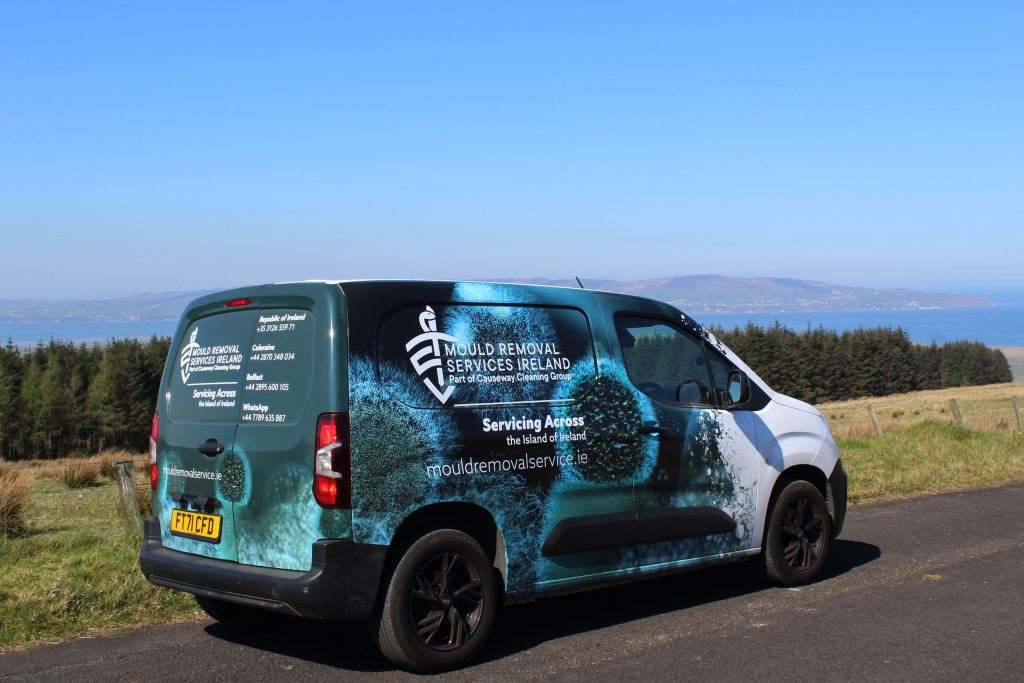
If you want the issue properly diagnosed and resolved as part of a structured remediation service, we can help.
+353 1 265 5971
+44 2895 600 105
info@mouldremovalservice.ie
77 Camden Street Lower,
Dublin, D02 XE80, Co. Dublin